Foundation Damage After Flooding: What Cape Breton Homeowners Should Check
Heavy rainfall and flooding can expose foundation cracks, drainage problems and basement water issues. Learn what Cape Breton homeowners should check after a major storm.
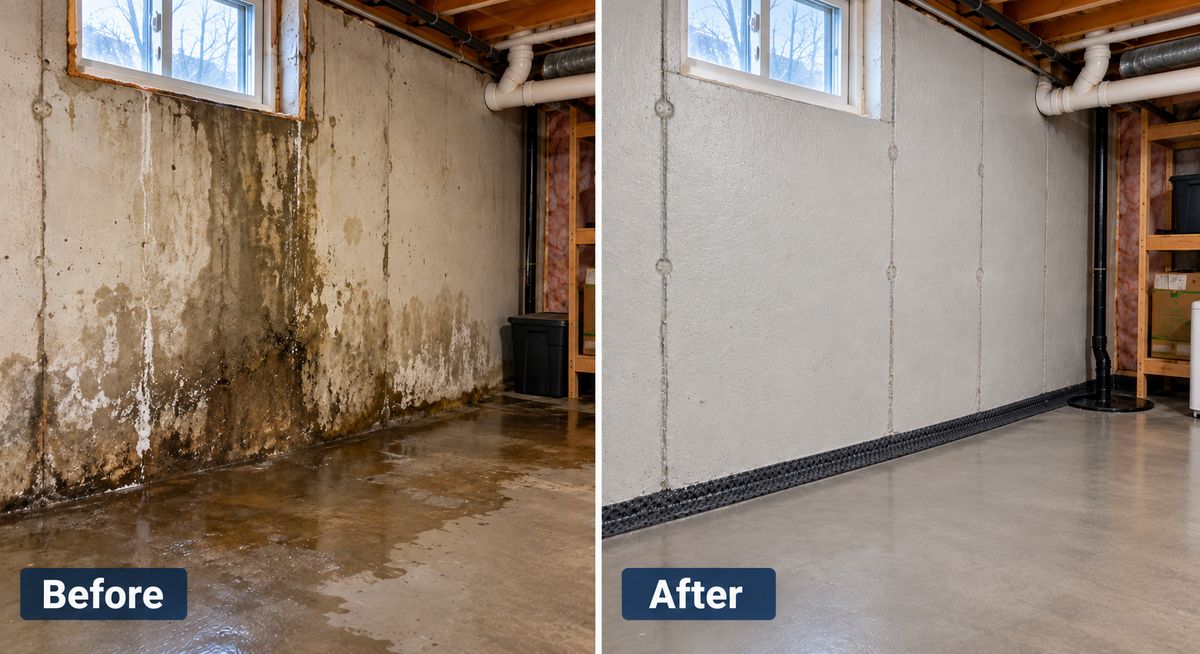
Cape Breton homeowners have seen firsthand how quickly heavy rainfall can overwhelm drainage systems, roads, yards, and homes.
The September 2026 rainfall event brought exceptionally heavy rain to parts of Cape Breton, causing flooding, road washouts and property damage.
For homeowners, the damage may not always be obvious once the water has disappeared. A flooded basement can leave behind moisture problems, while saturated soil around a home can place additional pressure on foundation walls and expose existing weaknesses.
If your Cape Breton home experienced flooding or unusually heavy water around the foundation, it is worth checking for signs of damage now rather than waiting until the next major rainfall.
How Flooding Can Affect a Foundation
A foundation is designed to support the weight of the house while resisting pressure from the surrounding soil.
When the ground becomes saturated, water can accumulate against foundation walls. This can increase hydrostatic pressure and force water through existing cracks, joints, window openings or other weak points.
Flooding can also reveal problems that were already developing.
A foundation crack that remained dry during normal rainfall may begin leaking after a major storm. A drainage system that handled ordinary rainfall may become overwhelmed. A sump pump may run continuously or fail when it is needed most.
The flooding itself does not necessarily mean that a foundation has suffered structural damage. However, it can expose conditions that deserve further investigation through structural foundation repair or basement waterproofing work.
Signs of Foundation Problems After a Flood
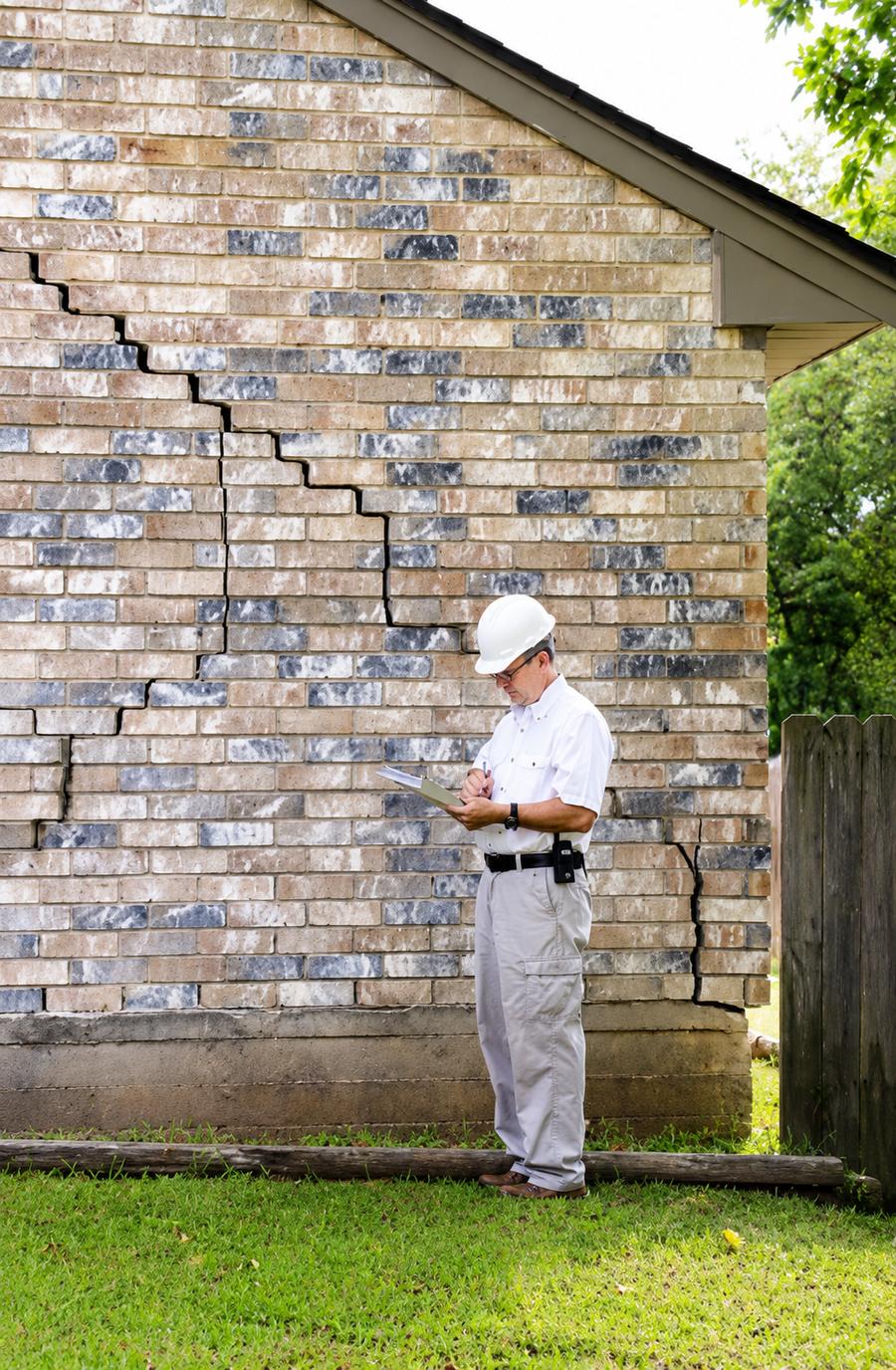
1. New or worsening foundation cracks
Pay particular attention to cracks that:
- Were not present before the flooding
- Have become wider or longer
- Allow water to enter
- Appear around basement windows or corners
- Run horizontally across a concrete or masonry wall
- Appear together with other signs of movement
Not every foundation crack is structural. Some small cracks can occur naturally as concrete cures and shrinks. The important consideration is whether the crack has changed or is associated with water intrusion or movement.
2. Water coming through foundation walls or floors
If water entered through a basement wall, floor crack, joint or around a pipe penetration, try to identify where it came from.
Water entering during an extreme rainfall event can sometimes point to a drainage or waterproofing problem rather than a structural foundation failure.
Cape Breton homeowners should pay particular attention to:
- Downspout discharge
- Yard grading
- Basement window wells
- Foundation drainage
- Sump pump operation
- Cracks in foundation walls or floors
- Water collecting beside the house
3. Bowing or leaning basement walls
Horizontal cracking or visible movement of a basement wall deserves attention.
A wall that is bowing inward can indicate that pressure from the surrounding soil is affecting the foundation. Saturated soil can increase the pressure against basement walls, particularly during prolonged or exceptionally heavy rainfall.
If you notice a wall that appears to be leaning, bowing or moving, consider having it professionally assessed.
4. Doors and windows that suddenly stick
Changes to doors and windows can sometimes indicate movement in a structure.
After a major storm, you might notice:
- A basement door no longer closes properly
- A window suddenly becomes difficult to open
- Interior doors begin sticking
- Cracks appear around window or door frames
These symptoms do not automatically mean that the foundation has moved. However, when they appear together with new foundation cracks or other changes, they are worth investigating.
5. Uneven floors or new cracks
Look for:
- New cracks in basement floors
- Cracks in drywall
- Gaps between walls and floors
- Uneven flooring
- Cracks around staircases
- Separations around basement columns or support posts
These symptoms can have several causes. A professional assessment can help determine whether the issue is related to the foundation, framing and crawl-space support, moisture, settlement or something else.
Cape Breton’s Drainage Challenges Matter
Foundation problems are not just about the foundation itself.
Water management around the property is extremely important.
After an extreme rainfall event, homeowners should check conditions around the entire property.
Check your downspouts
Make sure downspouts are not discharging directly beside the foundation.
Water from the roof should be directed away from the house so that it does not accumulate against basement walls.
Check the grading
The ground around the home should generally direct water away from the foundation rather than toward it.
Look for areas where soil has settled or where water collects after rainfall.
Check basement window wells
Window wells can become collection points for stormwater. Make sure they are not filled with leaves, soil or debris and that water has a way to drain.
Check the sump pump
A sump pump can be an important part of a basement drainage system, particularly in areas susceptible to groundwater or heavy rainfall.
Test the pump when conditions are safe, and consider whether a backup system is appropriate for your home.
Flooding Does Not Always Mean You Need Foundation Repair
This is an important distinction.
If your basement flooded, the appropriate solution depends on where the water came from and why it entered.
Surface water: Water flowing toward the foundation because of grading, downspouts or heavy rainfall.
Groundwater: Water entering through cracks, joints or the basement floor as groundwater levels rise.
Drainage problems: A foundation drainage system that is blocked, damaged, overwhelmed or otherwise unable to remove water.
Sewer backup: A municipal or private sewer system becoming overloaded or backing up during a major storm.
Structural foundation problems: Settlement, movement, bowing walls or other conditions requiring structural assessment and repair.
These problems can require very different solutions. Fixing the visible water without addressing its source may only provide a temporary solution.
What Cape Breton Homeowners Can Do Now
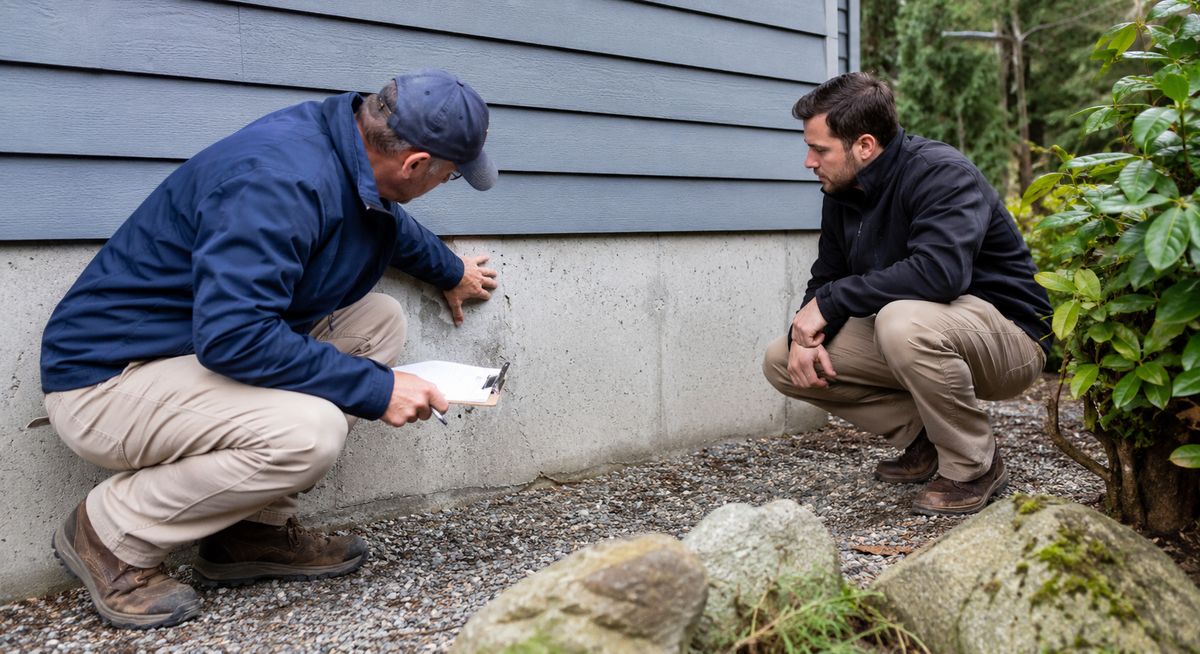
If your property was affected by flooding, start by documenting what you see.
Take photographs of:
- Foundation cracks
- Water stains
- Wet areas
- Basement floors
- Window wells
- Exterior grading
- Downspouts
- Damaged drainage components
- Any visible movement or settlement
If you have insurance, contact your insurance provider regarding flood or water damage before undertaking major repairs.
Most importantly, do not enter a flooded area if there are electrical, structural, sewage or other safety hazards.
Once the immediate emergency has passed, the next step is determining whether the water was an isolated consequence of an extreme rainfall event or whether it exposed a problem that needs to be corrected.
Foundation Problems Can Become More Noticeable Over Time
One reason to pay attention after a major flood is that not every problem appears immediately.
A basement may look relatively normal after the water is removed, while moisture remains inside materials or the surrounding soil remains saturated.
Existing foundation cracks may continue to leak during subsequent rainfall. Drainage problems may become apparent the next time there is significant rain.
For that reason, homeowners should continue watching the foundation and basement during the weeks and months following a major flooding event.
Need to Check Your Cape Breton Foundation?
FoundationRepairCapeBreton.ca provides information and assessment options for homeowners dealing with foundation cracks, settlement, bowing walls, basement water intrusion, drainage concerns and crawl-space problems across Cape Breton Island, including Sydney, Glace Bay, North Sydney, New Waterford and Louisbourg.
If your home experienced unusual water intrusion during recent flooding, an assessment can help determine whether you are dealing with a drainage problem, moisture issue, foundation crack, structural concern or a combination of problems.
Don’t wait for the next major storm to find out.